If your energy bills seem higher than they should be, you may be wondering whether it's worth spending money to make your home more efficient.
The answer isn't always as simple as "yes."
Some upgrades can reduce energy use and make your home more comfortable, while others may take years to recoup their upfront cost. The right project depends on your home's age, condition, climate, energy use, and how long you plan to stay.
Before spending thousands of dollars on an upgrade, it's worth asking a more important question:
Which improvements are likely to make the biggest difference for my home?
Start With the Improvements You Can't See
It's tempting to start with upgrades you can see, like new appliances or stylish windows.
But some of the most valuable energy improvements are behind the walls.
Insulation and Air Sealing
Poor insulation and air leaks can make it harder to keep your home comfortable.
Adding insulation where needed and sealing gaps around windows, doors, ductwork, and other areas can help reduce unwanted heat transfer.
If your home feels unusually cold in the winter or hot in the summer despite running the heat or air conditioning, it's worth investigating whether air leakage or insufficient insulation is contributing to the problem.
Energy-Efficient Windows
Replacing old windows can improve comfort and reduce drafts, particularly when existing windows are damaged or poorly sealed.
But don't assume new windows are automatically the best first investment.
If your current windows are in decent condition, other improvements may provide a better return for your budget. An energy assessment can help you determine where your home is losing the most energy before you commit to a major project.
Consider Your Heating and Cooling System
Heating and cooling can account for a significant portion of a home's energy use.
If your HVAC system is older or struggling to keep your home comfortable, replacing it with a more efficient system may be worth exploring.
Heat pumps are another option homeowners may consider. They can provide both heating and cooling and may be particularly appealing to homeowners looking to reduce their reliance on traditional heating systems.
The right system depends on your home, climate, existing equipment, and energy costs, so talk with a qualified HVAC professional before making a decision.
Don't Overlook Everyday Energy Use
You don't necessarily need a major renovation to make your home more efficient.
Smaller changes can include:
- Switching to LED lighting
- Using smart thermostats
- Sealing air leaks
- Improving weatherstripping
- Choosing energy-efficient appliances when replacements are needed
- Using smart power strips to reduce standby energy use
- Maintaining HVAC equipment regularly
These projects may have lower upfront costs and can be easier to tackle one at a time.
Solar Panels Can Be a Bigger Investment
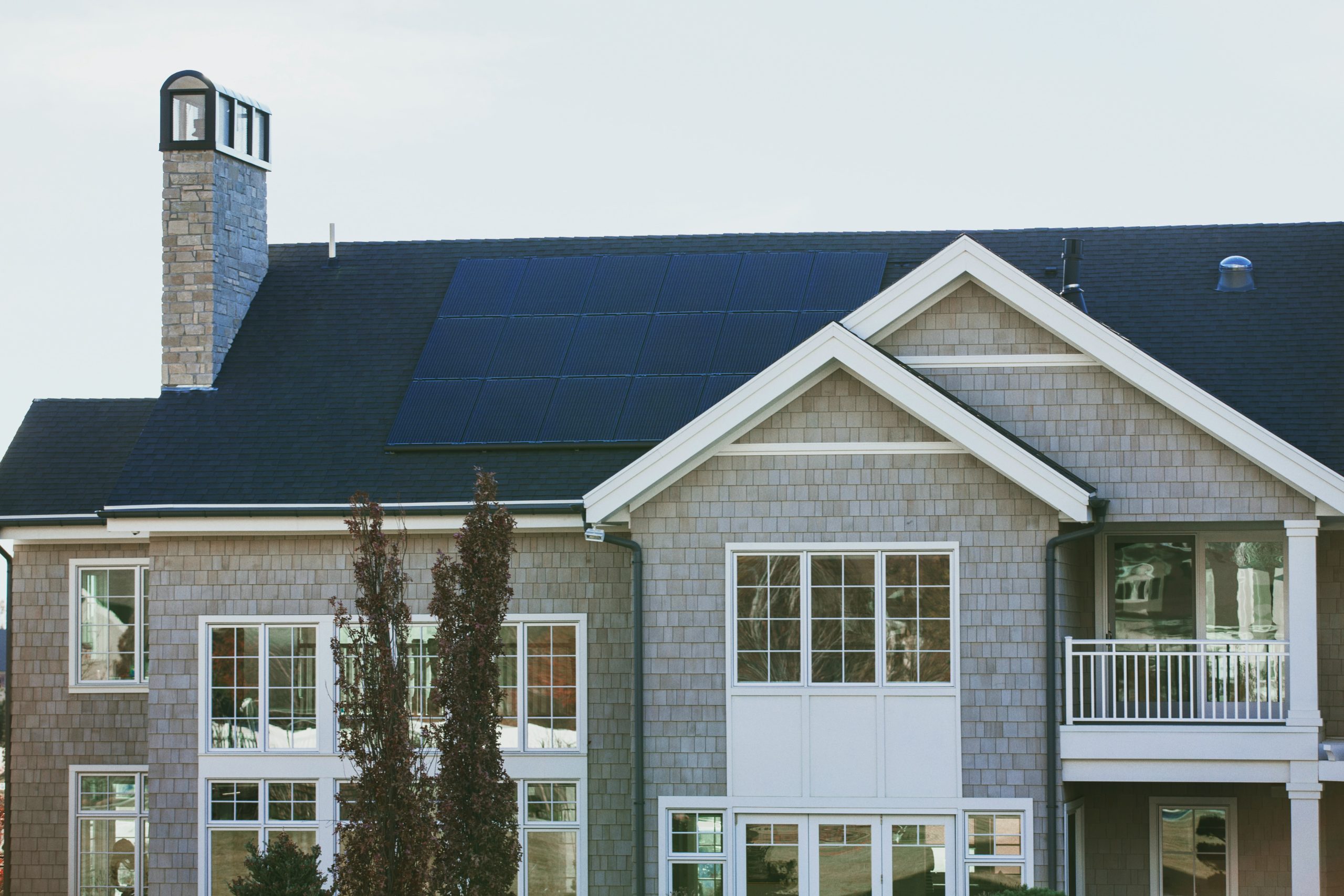
Solar panels can be an attractive option for some homeowners, but they deserve a closer look before you sign a contract.
Consider:
- The age and condition of your roof
- How much electricity your household uses
- Your local utility structure
- Available incentives
- Installation and financing costs
- How long you expect to remain in the home
Solar isn't automatically a money-saving investment for every property.
The potential financial benefit depends on your specific circumstances, so compare the total cost with the expected energy production and available incentives before moving forward.
Think About Comfort, Not Just Your Utility Bill
Energy efficiency isn't only about saving money.
A more efficient home can also be more comfortable.
Better insulation, improved windows, and upgraded heating and cooling systems may help reduce drafts, temperature swings, and rooms that always seem too hot or too cold.
For many homeowners, that day-to-day comfort is just as important as the potential reduction in energy use.
Could Energy-Efficient Improvements Add Value to Your Home?
They can make a home more appealing to certain buyers, particularly as energy efficiency becomes a more important consideration for homeowners.
Features such as solar panels, efficient heating and cooling systems, upgraded insulation, and energy-efficient appliances can help differentiate a property.
But homeowners should be careful about assuming that every energy upgrade will increase a home's value by more than it costs.
There is no guaranteed dollar-for-dollar return on a renovation.
If you're considering an improvement partly because you may sell in the future, talk with your REALTOR® about which features buyers in your local market actually value.
Before You Spend Thousands, Find Out Where Your Home Is Losing Energy
One of the smartest steps you can take is getting an energy assessment before deciding which projects to tackle.
An assessment can help identify areas such as:
- Air leakage
- Insufficient insulation
- Inefficient equipment
- Ductwork issues
- Windows and doors
- Other sources of energy loss
That information can help you prioritize projects instead of simply choosing the most expensive upgrade available.
Think of it like a home inspection for your energy use.
What About Rebates and Tax Incentives?
Energy-efficient improvements may qualify for certain federal, state, local, or utility incentives, depending on the project and where you live.
However, these programs can change, and eligibility requirements vary.
Before counting a rebate or tax credit as part of your renovation budget, verify the current requirements with the appropriate government agency, utility company, or tax professional.
Current Energy Efficiency Incentives and Rebates
Could Your Home Financing Help With Improvements?
If you're buying a home that needs energy-related improvements, or you're considering a larger renovation, it may be worth discussing your financing options before deciding how to pay for the project.
Depending on the circumstances, certain mortgage or refinance options may allow qualified homeowners to finance improvements as part of their overall mortgage strategy.
The right approach depends on the property, the project, your existing mortgage, and your financial situation.
Explore Renovation Financing Options
An Embrace Home Loans loan officer can help you understand which financing options may be worth exploring before you commit to a project.
The Bottom Line
Making your home more energy efficient can be a smart investment, but the biggest project isn't necessarily the best one.
Start by understanding where your home is losing energy. Then compare the upfront cost of an improvement with its potential benefits, how long you plan to stay in the home, and whether there are incentives that could reduce the cost.
Sometimes the smartest upgrade is a major renovation. Sometimes it's better insulation, a small repair, or simply replacing an appliance when it reaches the end of its life.
The goal isn't to make every possible energy upgrade.
It's to make the improvements that make the most sense for your home and your budget.